Eczema is a common skin condition that affects people of all ages. Many people wonder, “Eczema: What To Know?” This guide explains what eczema is, its symptoms, causes, and how to manage it. If you or a loved one has eczema, understanding the basics can help you take better care of your skin.
What is Eczema?
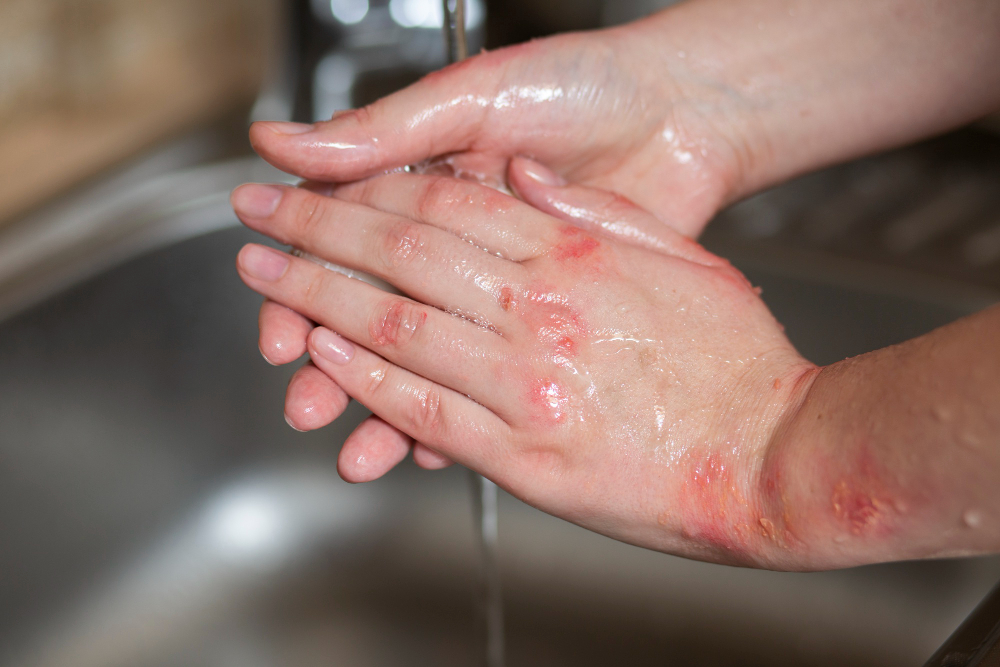
Eczema is a group of skin problems that cause dry, itchy, and inflamed skin. Most often, it appears as patches that can be red or rough. Although eczema is not contagious, it can be uncomfortable. There are different types, but atopic dermatitis is the most common. Children and adults can both get eczema. However, it often starts in childhood.
Common Symptoms of Eczema
People with eczema may notice several signs. While symptoms can vary, some are more common than others. For example, you may see:
Sometimes, scratching can make symptoms worse. In some cases, skin may bleed or become infected.
Causes and Risk Factors
Doctors are not sure of the exact cause of eczema. However, several factors can play a role. For instance, eczema often runs in families. If you have allergies or asthma, your risk may be higher. Other risk factors include:
Because eczema is linked to the immune system, it can flare up when your body reacts to triggers.
How Eczema is Diagnosed
Doctors usually diagnose eczema by looking at your skin. They may ask about your symptoms and family history. Sometimes, they will do a patch test to check for allergies. Rarely, a skin biopsy is needed. Most of the time, no special tests are required. If you have ongoing skin problems, it is important to see a healthcare provider.
Treatment Options for Eczema
There is no cure for eczema, but many treatments can help. Your doctor may suggest:
Because each person is different, treatment plans may vary. Always follow your doctor’s advice for the best results.
Lifestyle Tips and Home Care
Managing eczema at home is important. For example, you can:
Additionally, using a humidifier can help keep your skin from drying out, especially in winter.
Preventing Eczema Flare-Ups
While you may not be able to prevent eczema completely, you can lower your risk of flare-ups. Try these tips:
Because prevention is key, keeping a diary of your symptoms can help you spot patterns and triggers.
When to See a Dermatologist
Sometimes, home care is not enough. If your eczema does not improve or gets worse, you should see a dermatologist. You should also seek help if:
Early treatment can help prevent complications and improve your quality of life.
For more information, you can visit trusted sources like the Centers for Disease Control and Prevention (CDC) or the World Health Organization (WHO).
If you have questions or concerns about eczema, consult a dermatologist for personalized advice on managing eczema.